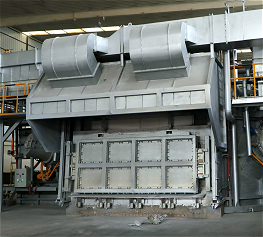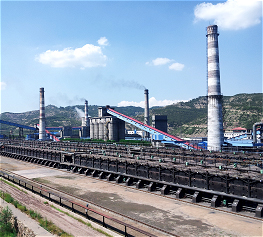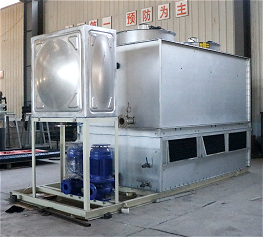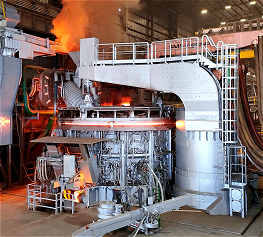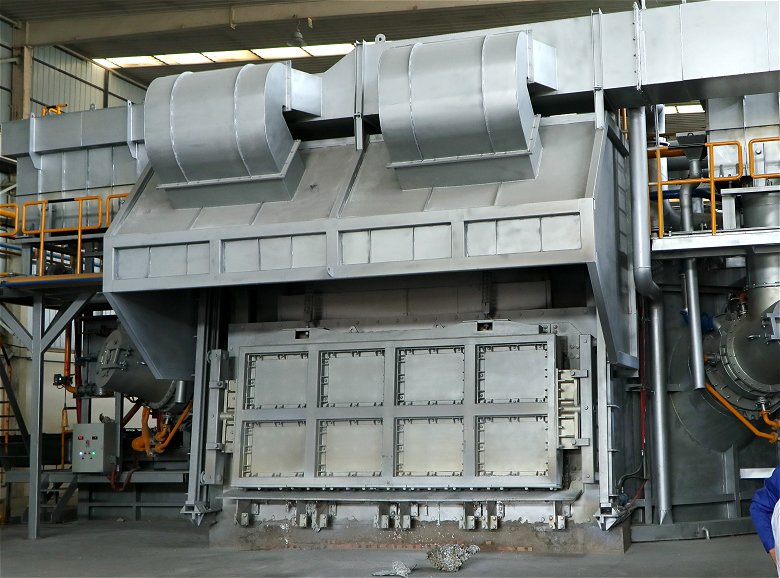
Customized Industrial Aluminium Melting Furnaces & Turnkey EPC Solutions Designed for high-efficiency recycling, die-casting, and continuous casting & rolling Covering a full lineup of tower furnaces, rotary furnaces, reverberatory furnaces, and crucible furnaces. Featuring exceptional temperature control precision, ultra-low metal burn-loss, and supreme energy-saving performance, it meets the standards of global aluminium processing plants, secondary aluminium recyclers, and EPC projects.
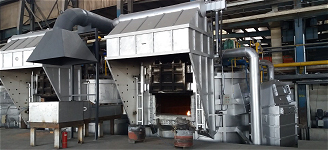
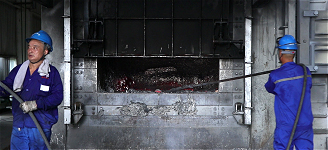
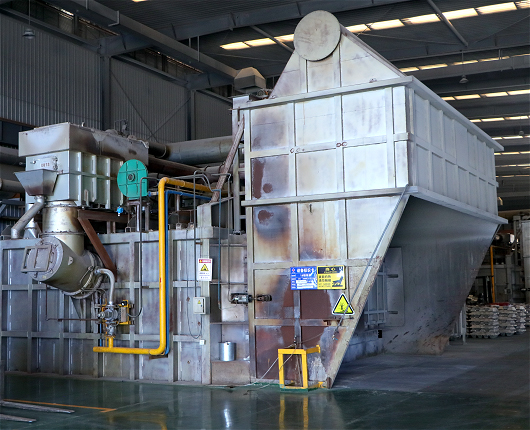
Tower Melting Furnace (Shaft Furnace)
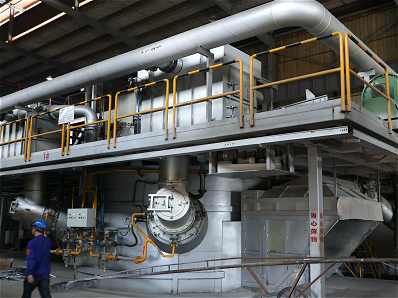
How it works: Adopting a vertical structure, raw materials loaded from the top are preheated by the rising high-temperature exhaust gases. Key Advantages: Remarkable energy-saving performance, compact footprint, fast melting rate, and ideal for continuous production lines such as continuous casting and rolling.Rotary Melting Furnace (RMF)
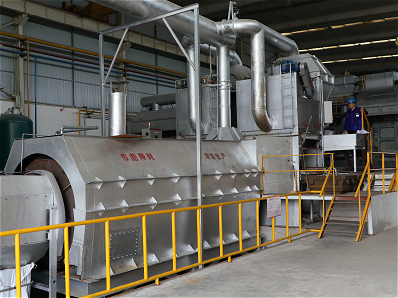
How it works: A cylindrical furnace body that ensures uniform heat transfer through rotation and continuous tumbling during the melting process. Key Advantages: Excels at processing complex scrap, aluminum chips, and dross, delivering exceptionally high metal recovery rates.Reverberatory Furnace
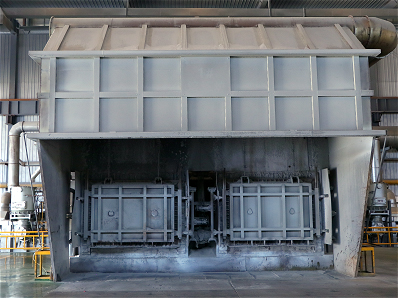
How it works: Utilizes the furnace arch to reflect radiant heat, focusing heat downward onto the metal materials on the hearth. Key Advantages: Massive melting and holding capacity, perfectly suited for large-scale industrial manufacturing and turnkey EPC projects.Crucible / Electric Resistance Furnace
How it works: Transfers heat indirectly to the molten aluminum through a high-grade refractory crucible via electric heating elements or gas burners. Key Advantages: Precise temperature control, clean operation, and ideal for foundries to flexibly switch between different alloy types.Engineered for heavy-duty foundry and recycling operations, our industrial aluminium melting furnaces deliver exceptional thermal efficiency and extended service life. Built with a robust steel shell and high-purity, high-alumina refractory lining, the furnace ensures superior corrosion and thermal shock resistance while minimizing outer shell temperatures.
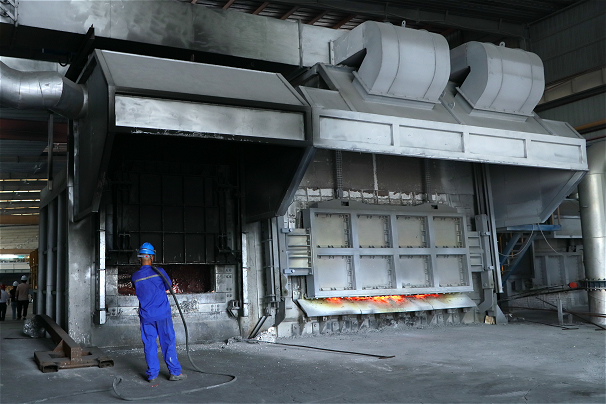
Customized design according to the actual requirement of customers.
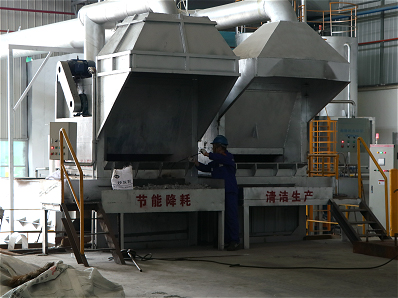
Engineered for heavy-duty industrial operations, our aluminium melting furnaces deliver exceptional thermal retention, high melting rates, and low metal burn-loss, ensuring optimal productivity and minimal energy consumption in continuous foundry and recycling environments.
Clean and environmentally friendly, with high heat utilization rate, it can significantly reduce energy consumption and production costs, and is safe and reliable.
Raw Material Charging & Preparation:
The primary feed materials include primary aluminum ingots, clean manufacturing scrap, extrusion skeletons, and sorted post-consumer aluminum scrap. Pre-sorting and mechanical cleaning are critical to remove non-metallic inclusions and moisture before charging.Thermal Melting:
Once charged into the furnace (whether via a tower, rotary, or reverberatory system), the materials are subjected to intense thermal radiation and convection, rapidly elevating their temperature above the melting point (660°C) to achieve a completely liquid phase.Refining & Impurity Removal:
During or after melting, fluxing agents are introduced to form slag and remove oxides. For high-grade applications, the molten aluminum undergoes advanced degassing (injecting inert gases to purge dissolved hydrogen) and ceramic foam filtration to eliminate micro-inclusions.Tapping & Transfer:
Once the chemical composition, temperature, and purity meet strict metallurgical standards, the molten metal is tapped and transferred via heated launders to downstream equipment, such as continuous casting and rolling lines or holding furnaces.
| Parameters |
Induction Furnace |
Rotary Furnace |
Shaft/FurnaceTower |
Reverberatory Furnace |
| Primary Application | High-quality melting/Alloys | Scrap, dross, cans recycling | Large-scale casting/Ingot | Bulk production / Holding |
| Heating Medium | Electricity (Induction) | Natural Gas /Diesel/Oil | Natural Gas /Dual-fuel | NaturalGas/Oil |
| Capacity Range | 0.5T-5T | 2T-20T | 3T-30T | 5T-50T+ |
| Melting Efficiency | ligh (Fast) | Medium (High yield for scrap) | Very High (Continuous) | Medium (Energy intensive) |
| Metal Recovery Rate | 98%-99% | 85%-95% | 97%-99% | 96%-98% |
| Operating Mode | Batch | Batch (Rotating) | Continuous/Semi-continuous | Batch/Continuous |
| Key Advantage | ow oxidation/pollution | Handles dirty scrap | Energy efficient /Low heat loss | Reliable/Simple structure |
*The output will vary according to different materials, feed particle size and other factors

Company: IDM Metallurgy Trading Co., Ltd.

Group Address: Tangshan City, Hebei Province, China

Whatsapp: +86-15036707993


Our Email

Our phone


 +86-15036707993
 +86-15036707993

Save Time! Get A Detailed Quotation Quickly.